
How to Maintain and Care For Your Air Jordan Collection
You invested the hard-earned money, waited through the online raffles, potentially even camped outside a store at dawn — and now you have a increasing Air Jordan collection that merits more than a stack on the floor of your closet. Proper preservation is the gap between a pair that looks deadstock-quality in five years and one that crumbles, oxidizes, or creases beyond repair. Whether you hold three pairs or thirty, appreciating the dangers of kick longevity — humidity, warmth, direct light, and air exposure — will shield your investment and maintain your pairs pristine. This breakdown details everything from essential care fundamentals to serious care methods used by committed collectors. Care for your Air Jordans with care, and they will reward you with many years of wear and strong resale. Let us go through the specifics so your collection holds fresh for 2026 and far beyond.
Knowing What Destroys Sneakers Over Time
Ignoring your Air Jordans while they sit in a box is the largest danger to them — not walking in them. Polyurethane midsoles start to crumble through chemical moisture breakdown when exposed to humidity over long periods, which is why unworn pairs from the 1990s often fall apart entirely the instant someone puts on them. Ultraviolet radiation from window exposure fast-tracks color change on white-rubber outsoles outsoles and translucent clear soles, most noticeably destructive on models like the Air Jordan 11 Concord. Thermal cycling lead to shoe cements to fail, causing sole separation where the sole detaches from the upper. Even the packaging themselves factor in to breakdown — acidity in standard Nike cardboard can discolor leather and material over prolonged storage of direct contact. Recognizing these threats gives you the foundation to construct a care approach that deliberately counters each one.
The Ideal Storage Conditions
Heat and moisture management provides the foundation of any serious shoe care plan. Try to hold your collection between 60 and 72 degrees Fahrenheit with ambient click here humidity between 40 and 50 percent. A inexpensive electronic humidity meter, available for under $15, gives you watch the environment and warns you if humidity moves into dangerous levels. Basement spaces and garage spaces are the poorest places because they see the widest thermal changes and contain dampness that worsens midsole crumbling in midsole material. A HVAC-controlled space, dedicated room, or purpose-built closet with reliable airflow makes the ideal spot for any collection. If you stay in a humid climate like the southern United States or Southeast Asia, keeping a portable dehumidifier uses just a few dollars per month in energy and gives top-notch defense. Dark spaces are also advantageous since eliminating ultraviolet light preserves soles transparent and prevents leather from losing moisture.
Critical Protection Products
| Supply | Purpose | Approximate Cost | Replacement Frequency |
|---|---|---|---|
| Silica gel packets | Remove humidity, protect against foam breakdown | $8–$12 per 50-pack | Roughly every 3 to 6 months |
| Acid-free tissue paper | Preserve shape, stop deep creases | $10–$15 per 100 sheets | Yearly |
| Clear drop-front boxes | Block dust, see your shoes, stack neatly | $6–$10 each | 5+ years |
| Cedar shoe trees | Remove odors and moisture while holding form | $15–$25 per pair | 2–3 years |
| Digital hygrometer | Track moisture and heat levels | $10–$15 | Swap battery once a year |
| UV-blocking window film | Shield against UV-caused yellowing | $20–$40 per roll | 3–5 years |
Storage Container Solutions
Most beginners overlook how much the container you select impacts preservation, because it actively manages the microenvironment around your kicks. Original Nike shoeboxes offer little safeguarding — acidic box material that offers no block against moisture or debris. Crystal-clear drop-front polymer containers have turned into the go-to choice among shoe fans because they are non-acidic, space-efficient, and give you display your collection without unsealing each case. For peak defense, vacuum-sealed containers with moisture absorbers inside actively pull residual moisture and keep minimal humidity around each pair. Vacuum-sealed bags serve well for prolonged storage but can flatten padding and modify shoe shape if left for extended periods. Real wood shoe armoires with glass panels supply an handsome presentation that also stops UV and dust. Whatever container you choose, never put Air Jordans in ziplock bags without breathing holes, as trapped dampness speeds up discoloration and promotes mold growth proliferation.
Packing, Maintaining Shape, and Wrapping Strategies
Dedicate a moment to thoroughly ready each pair before storing them into a container. Remove the stock tissue paper inside new Air Jordans and replace it with non-acidic tissue, as factory paper may contain residues that transfer onto the inner lining. Stuff the toe area securely but not excessively to hold form and prevent gravity-induced creases from gravity over extended periods. Cedar shapers are ideal for frequently used pairs since cedar by nature soaks up sweat and stink, but they can be excessively weighty for light models like the Air Jordan 1 Low. For premium pairs, wrap the shoe softly in acid-free paper before putting it into the container to prevent surface-to-surface touching. Lace shoes with relaxed laces or extract laces altogether to lower force on lace holes and the tongue area. If you own patent leather Jordans like the Air Jordan 11, shielding them individually blocks the shiny finish from fusing to next-door items.
Dealing with Yellowing Soles
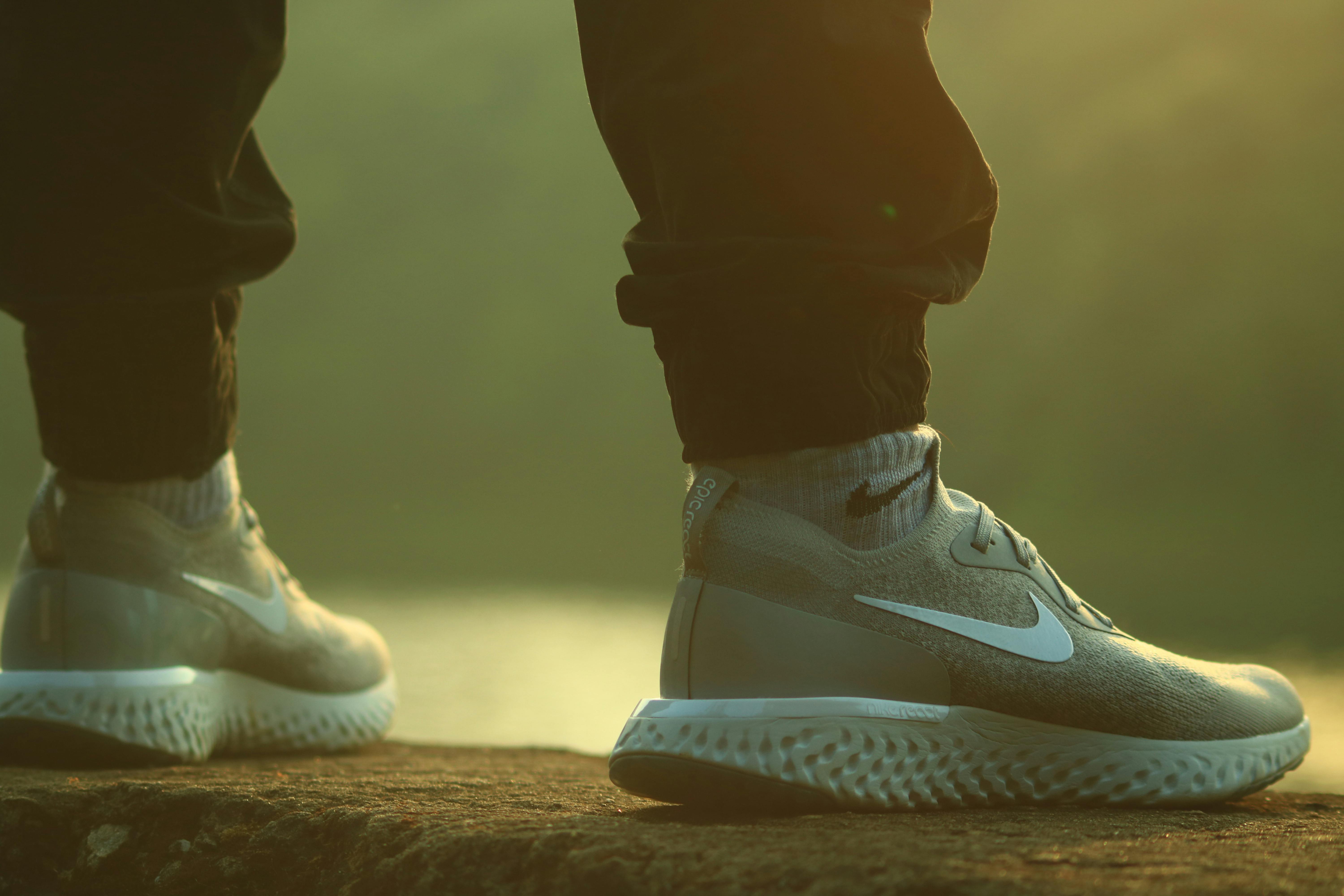
The most widespread appearance-related problem shoe fans face is sole yellowing, above all on models with see-through outsoles or white soles. The principal culprit is chemical oxidation — a chemical process between the rubber and oxygen that produces a golden-yellow tone over time. Storing shoes with desiccant packets in fully sealed containers significantly inhibits air-driven yellowing by cutting access to water vapor and ambient air. If the yellowing has already appeared, treatments like Salon Care 40 Volume Creme Developer used with UV lamp exposure can restore moderate yellowing through “sole sauce treatment.” Specialist sneaker restoration shops price between $50 and $150 for de-oxidation using industrial machinery. Shops like Kicks on the Court run ship-to renewal including sole sauce treatment, deep cleaning, and protective finish treatment.
Investment-Grade Storage for Resale Pairs
If you are storing Air Jordans strictly as an monetary investment, the preservation strategy needs to be more demanding. Preserve the pair entirely deadstock — shoes, laces, and all accessories untouched inside the stock box with hang tags and additional laces. Set the original box inside a bigger hermetic container with four to six moisture absorbers to reduce air exposure and moisture exposure. Position the container in the least illuminated, most climate-stable zone at your disposal, ideally an internal closet away from exterior walls where thermal conditions fluctuates most. Examine investment pairs every three to four months, swapping desiccant and searching for discoloration, adhesive failure, or fungal growth. Record shoe condition with date-marked photographs as records for future aftermarket listings on platforms like GOAT or StockX. Following this protocol, hobbyists have preserved pairs in legitimate deadstock condition for over a decade, protecting full resale value.
Widespread Pitfalls to Not Make
Even the most seasoned collectors from time to time make storage mistakes that lead to losing significant sums in damaged sneakers. Housing shoes near heating vents like space heaters or hot attics where temps exceed 110 degrees Fahrenheit makes bonding agents to melt and soles to curl beyond repair. Displaying Air Jordans on unprotected display shelves without UV shielding leaves them to ongoing photo-degradation that discolors soles within months. Using old newspaper to fill shoes transfers ink onto inner surfaces and provides no moisture barrier. Piling weight on your boxes flattens structure and creates permanent impressions in the toe area. Placing shoes while remaining wet from rainy weather or perspiration adds wetness directly into a airtight container, establishing ideal circumstances for mold growth. Lastly, the “set-and-forget” mindset is the most certain road to heartbreak, because even the most carefully designed environment calls for regular checking.